
Creating a relaxing home office environment is key to boosting productivity and maintaining a healthy work-life balance. When your workspace feels calm and inviting, it’s easier to stay focused and motivated. Whether you have a dedicated room or a small corner in your living space, these tips can help transform your home office into a peaceful, productive haven.
Why a Relaxing Home Office Matters
Working from home offers flexibility but can also bring distractions and stress. A cluttered, noisy, or uncomfortable workspace can reduce efficiency and increase fatigue. On the other hand, a relaxed setting helps clear your mind, reduces tension, and encourages creativity. This balance supports sustained productivity throughout the day.
Choose the Right Location
Consider Natural Light
Position your desk near a window to take advantage of natural light. Sunlight improves mood and alertness. If you lack natural light, use bright, warm LED bulbs to mimic daylight and avoid harsh overhead lighting.
Minimize Noise Distractions
Select a quiet spot away from high-traffic areas. If noise is unavoidable, invest in noise-canceling headphones or use white noise apps to help you stay focused.
Create an Organized and Clutter-Free Space
Use Storage Solutions
Keep your desk tidy with storage baskets, shelves, or filing cabinets. Organization reduces stress by making it easy to find materials and freeing up work surface area.
Practice Daily Tidying
Spend a few minutes at the end of each workday clearing your desk and putting items away. A clean workspace invites a fresh start each morning.
Prioritize Comfort and Ergonomics
Invest in a Supportive Chair
A good ergonomic chair supports your posture, preventing discomfort and fatigue. Look for adjustable height, lumbar support, and cushioned seating.
Position Your Screen Properly
Place your computer monitor at eye level about an arm’s length away. This reduces neck strain and eye fatigue.
Add Comfortable Accessories
Consider footrests, wrist supports, or adjustable desks that allow you to alternate between sitting and standing for added comfort.
Incorporate Calming Elements
Use Soothing Colors
Choose colors like soft blues, greens, or neutrals, which are known to have calming effects. Avoid overly bright or harsh colors that can be distracting.
Bring in Plants
Indoor plants improve air quality and add a touch of nature. Simple greenery can reduce stress and increase your sense of well-being.
Add Personal Touches
Display a few meaningful items, such as photos or small artwork, to make your space inviting but avoid cluttering.
Manage Lighting to Reduce Eye Strain
Use Adjustable Lighting Options
Desk lamps with adjustable brightness and color temperature help reduce eye strain during different times of the day.
Control Glare
Position screens perpendicular to windows and use blinds or curtains to control glare and light intensity.
Establish a Daily Routine and Boundaries
Set Clear Work Hours
Define when your workday starts and ends to create structure. Communicate these hours with family or housemates to minimize interruptions.
Create Rituals to Transition
Begin your day with a short ritual like stretching or making tea. Similarly, close your workday with tasks like organizing your desk or writing a to-do list for tomorrow.
Incorporate Breaks and Movement
Schedule Regular Breaks
Taking short breaks every hour helps maintain focus. Use break time for stretching, walking, or breathing exercises.
Practice Mindfulness
Mindfulness or brief meditation sessions can help reset your attention and reduce stress during the day.
Utilize Technology Wisely
Streamline Tools
Choose productivity apps and tools that reduce clutter and simplify tasks rather than overwhelm you.
Manage Notifications
Turn off unnecessary alerts during focused work periods to maintain concentration.
Final Thoughts
Designing a relaxing home office is a blend of practical setup and personal comfort. Making intentional choices about space, lighting, organization, and routines can have a big impact on your productivity and well-being. Experiment with these tips to create a space that feels right for you—because a calm workspace is the foundation of effective work.
—
By following these strategies, you’ll build a home office that not only supports your work but also encourages a relaxed and balanced mindset throughout your day.
Related Posts
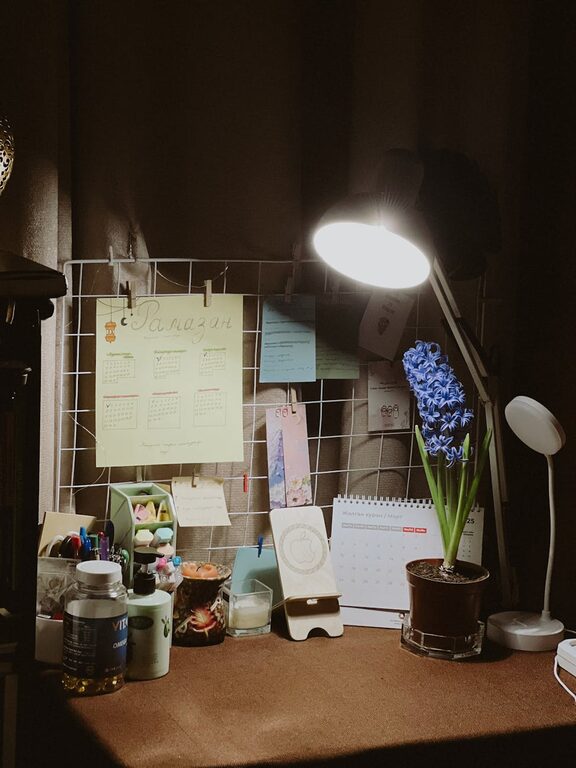
Tips for Creating an Inviting and Comfortable Home Workspace
Creating an inviting and comfortable home workspace is essential for…
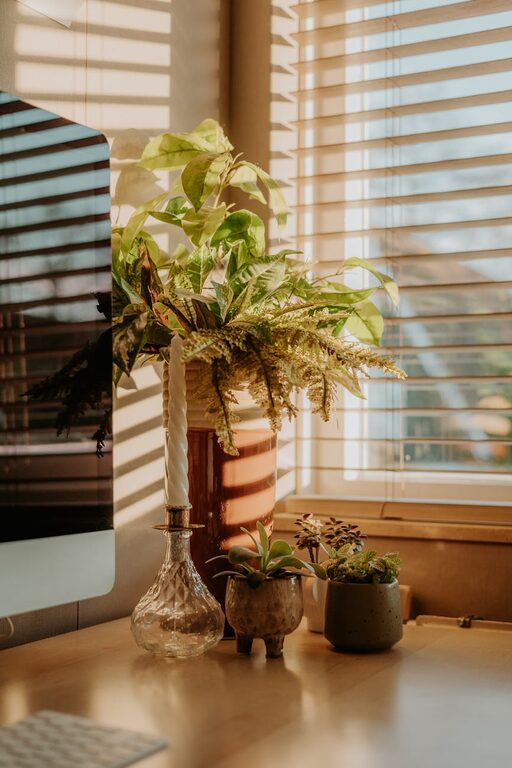
Tips for Creating a Cozy and Productive Home Workspace
Creating a home workspace that is both cozy and productive…
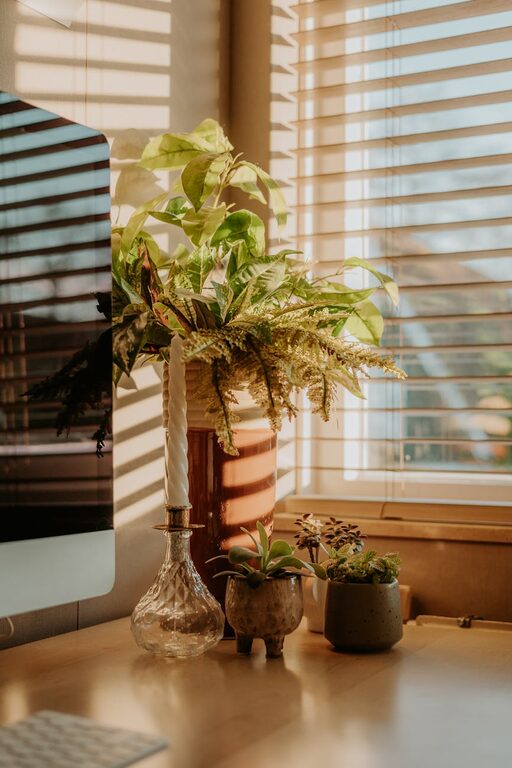
Tips for Creating a Cozy and Productive Home Office Space
Creating a home office that balances coziness and productivity is…